
Chapter 3
Conclusion: True Intimacy Demands Financial Vulnerability
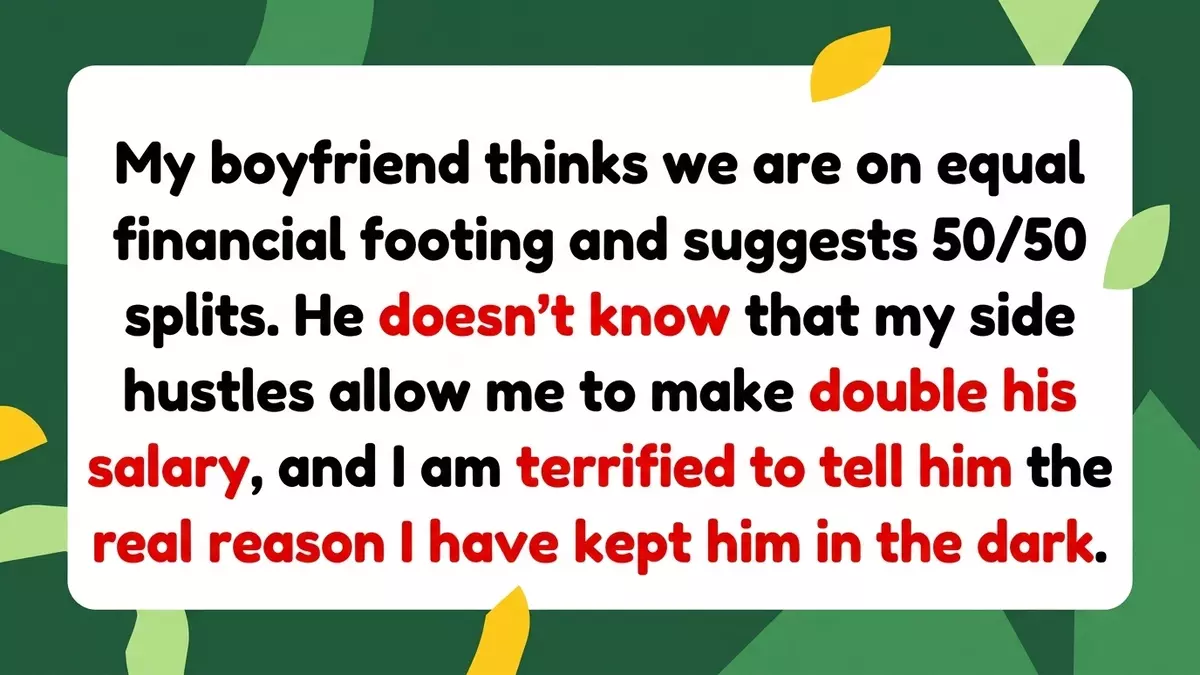
Ultimately, keeping a massive income secret for nearly two years highlights the delicate balance between protecting your past and investing in your future. While the instinct to guard your wealth after surviving childhood poverty is completely understandable, true emotional intimacy cannot thrive in an environment of calculated omission. For a relationship to survive the complexities of long-term commitment, both partners must eventually be willing to step out from behind their defensive shields. Transitioning from absolute secrecy to structured transparency is undeniably terrifying, but it is the only way to build a future that is genuinely shared.
Frequently Asked Questions
Q1: Is 18 months of dating too soon to expect full financial disclosure?
Not necessarily. While it may be too early to merge bank accounts, 18 months is a standard timeframe for couples to begin discussing marriage, cohabitation, and long-term goals. Having a baseline understanding of each other's financial health, debts, and income capabilities is essential to making realistic plans for the future.
Q2: How can someone open up about financial trauma without feeling exposed?
The key is to focus the conversation on the emotional history before diving into raw numbers. The original poster can explain her background with childhood poverty and how it creates anxiety around money. Sharing the psychological context first helps the partner understand that the secrecy is rooted in fear, not a lack of trust in him.
Q3: What is an equitable expense split, and how does it differ from a 50/50 split?
A 50/50 split requires both partners to pay the exact same dollar amount, regardless of income. An equitable split calculates expenses proportionally based on what each person earns. For example, if one partner makes 66% of the total household income and the other makes 34%, they would split shared bills using those exact percentages, which is often fairer for couples with large income gaps.
Q4: Is keeping financial secrets a definitive relationship red flag?
It depends on the intent. If an individual is hiding debt, gambling habits, or significant financial liabilities, it is a major red flag that directly threatens the partner. However, if the secret is an abundance of hard-earned savings hidden due to past trauma, it is an obstacle to intimacy rather than a malicious deception, and it can usually be resolved through open communication.
Q5: Can a relationship truly succeed if one partner insists on keeping their income private permanently?