
Chapter 2
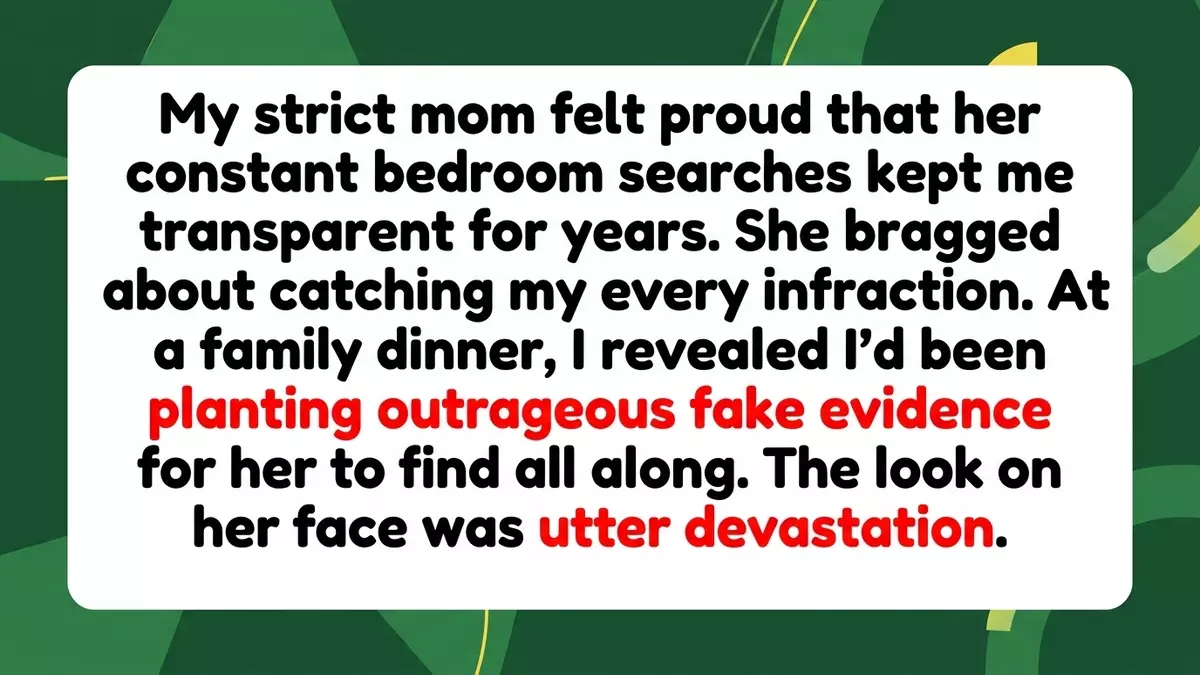
The truth finally slipped out years later during a casual family gathering. As the daughter openly revealed the existence of the shocking, fabricated decoys she had planted throughout her teen bedroom, the mother's long-held illusion of flawless parental authority was instantly shattered. The revelation exposed a deeper truth that many strict households eventually face: excessive restriction does not stop teenagers from exploring their independence; it simply turns them into master hidden strategists.
Digital Responses: Why Strict Rules Create Sneaky Children
When this story of parental outsmarting hit the internet, the online community on Reddit overwhelmingly rallied behind the daughter’s actions. A massive consensus emerged among users, pointing out an undeniable psychological truth: hyper-strict parenting inevitably breeds unparalleled levels of sneakiness and tactical deception in developing children.
| Perspective Group | Community Sentiment | Long-Term Psychological View |
| The Majority Support | Praised the daughter's clever coping mechanisms as necessary self-defense. | Views the decoys as a brilliant way to establish personal boundaries when privacy is constantly violated. |
| The Moderate Minority | Cautioned that prolonging the ruse might extend a generational cycle of distrust. | Noted that the mother may still be processing the intense emotional shock of her shattered parental illusions. |
Family dynamics are rarely entirely black and white, particularly when rigid religious expectations clash directly with a teenager’s fundamental need for physical and emotional personal space. While many view the daughter’s elaborate decoys as a harmless, highly effective way to preserve her mental well-being under intense scrutiny, others argue that maintaining the deception across so many years highlights how deeply rooted the family's trust issues truly were.
Conclusion: Rebuilding Family Dynamics Beyond Constant Scrutiny
Ultimately, the story serves as a cautionary tale for modern parents navigating the delicate boundaries of raising teenagers. Trust is a reciprocal element within a household; when it is entirely stripped away by constant snooping and an absolute refusal to grant privacy, children will naturally find ways to build their own hidden walls.
Exposing the truth years later may have delivered a blow to the mother’s pride, but it also opened up a necessary, honest dialogue about the fragile nature of forced obedience. For family dynamics to truly heal and rebuild after years of surveillance, parents must learn to transition away from rigid control mechanisms and focus on cultivating a sanctuary of open communication, vulnerability, and genuine mutual respect.
Frequently Asked Questions
Why does hyper-strict parenting often cause teenagers to become more deceitful?
When parents implement overly rigid rules without offering room for open discussion or personal autonomy, teenagers view transparency as unsafe. To maintain a normal sense of individuality and avoid severe punishment for minor mistakes, they learn to develop advanced skills in secrecy, masking, and behavioral compartmentalization.