
Chapter 1
Household Boundaries: Navigating Unbalanced Guest Etiquette and Family Friction
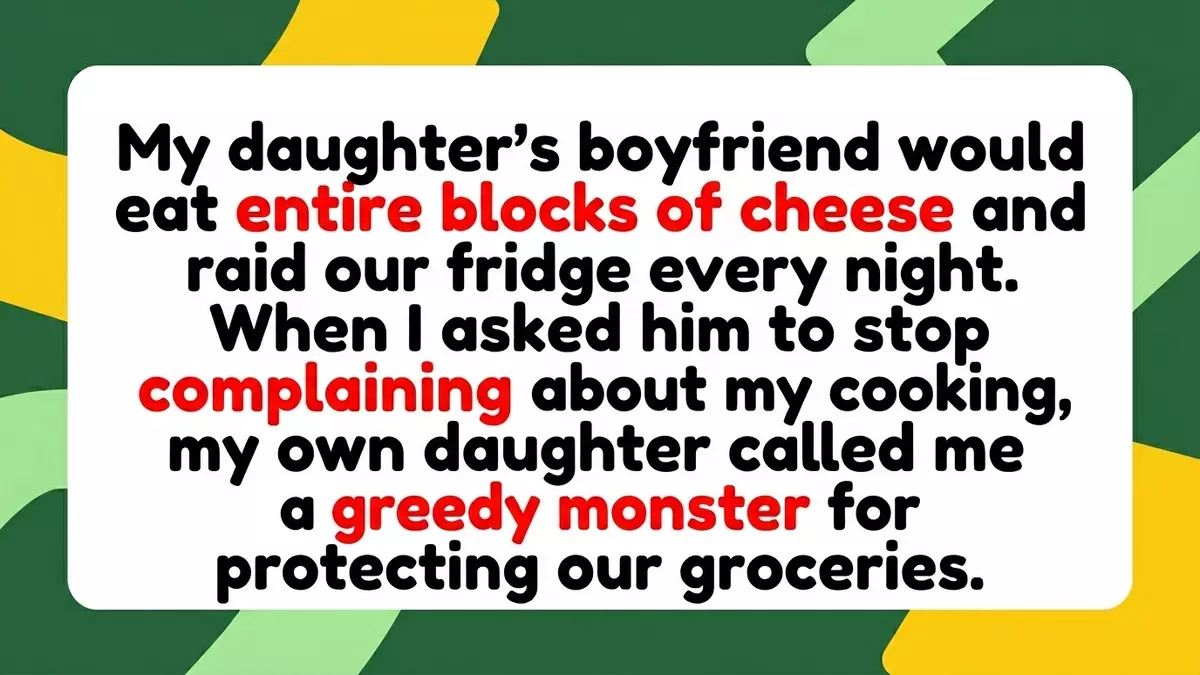
We all know that comforting feeling of opening a fully stocked refrigerator. Welcoming your child’s significant other into your home with home-cooked meals is a wonderful way to show warm hospitality. However, a delicate line exists between being an accommodating host and having your generosity taken for granted. When a young guest begins treating your kitchen like a 24-hour free buffet—consuming entire blocks of cheese, emptying the juice cartons, and critiquing the dinner menu—what started as hospitality can quickly transform into a source of constant household tension.
Navigating these friction points requires a careful balance between protecting your personal space and managing family relationships. When communication breaks down, an open fridge can quickly turn a peaceful home into an emotional battlefield.

Household Boundaries Navigating Unbalanced Guest Etiquette and Family Friction
The Psychology of Shared Spaces and Boundaries
To resolve tension caused by overstepping guests, it is helpful to look at the psychological foundations of comfort within our own living spaces. Our homes are more than physical structures; they are emotional sanctuaries where we expect a baseline level of control, safety, and respect.
Boundary Violations vs. Host Hospitality
Hospitality is inherently transactional, built on an unwritten social contract: the host provides comfort and sustenance, and the guest offers appreciation and respect. When a guest bypasses basic manners—such as asking before finishing the last of an item or commenting negatively on provided meals—they disrupt this equilibrium.
This behavior forces the homeowner into an uncomfortable position. Instead of feeling relaxed, they may find themselves walking on eggshells in their own kitchen, experiencing a subtle sense of displacement in their own home.
The Daughter's Defensive Reaction
When a parent privately asks their child to address a partner's boundary-crossing behavior, they often expect a quick, cooperative resolution. When that request is met with defensiveness, accusations of greed, or emotional inflation ("you're being dramatic"), it points to a common interpersonal dynamic.
[Parent Highlights Boundary Issue] ───> [Daughter Feels Caught in the Middle]
                                                 │
                                                 ▼
                                     [Defensive Counter-Attack]
                             ("You're being greedy/dramatic")
The teenager or young adult child often experiences a conflict of loyalties. Feeling caught between protecting their partner from criticism and respecting their parent's rules, they may default to anger as a defense mechanism to deflect the discomfort of the situation.
Hidden Factors: Appetite vs. Food Insecurity
While it is easy to view entitlement or a lack of manners as the sole cause of this behavior, relationship experts and counselors often encourage a more nuanced look at why a guest might overeat in someone else's home.