
Chapter 4
Frequently Asked Questions (FAQ)
What exactly is "Glass Child Syndrome"?
Glass child syndrome describes the emotional experience of healthy, neurotypical siblings who grow up alongside a brother or sister with chronic illnesses, physical disabilities, or neurodivergent conditions like autism. These children often feel invisible because their emotional and psychological needs are secondary to the high demands of their sibling's condition.
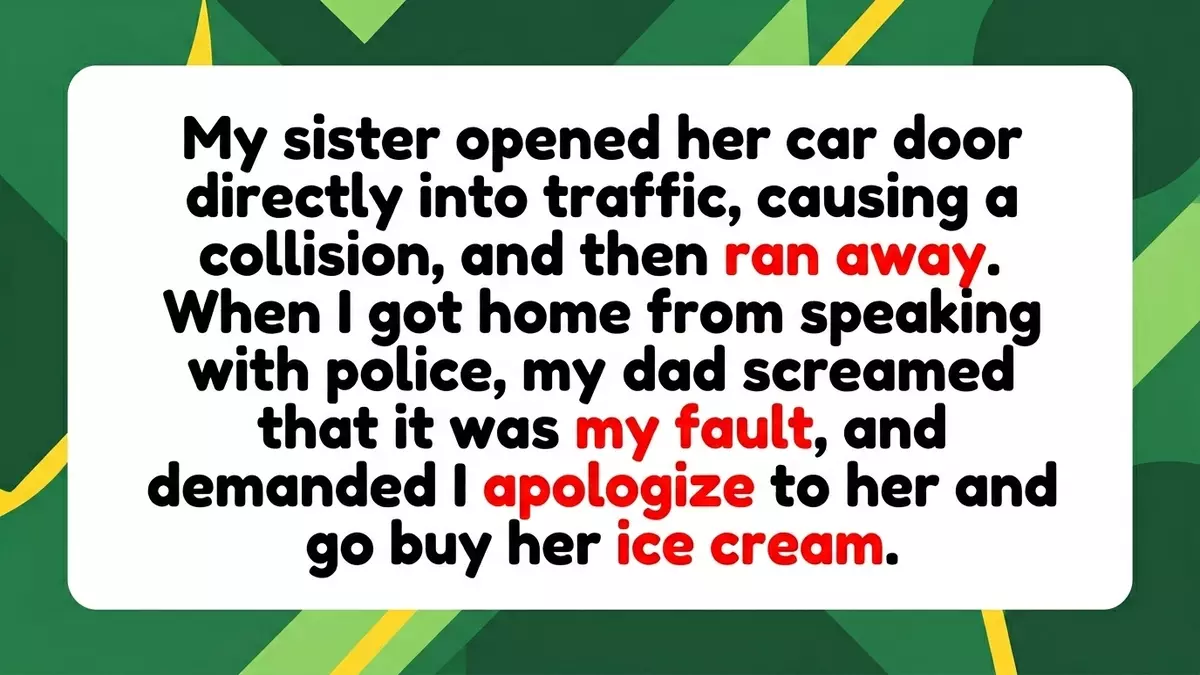
Can an individual be held legally responsible if a passenger opens a car door into traffic?
Generally, the person who physically opens a vehicle door into an active roadway is primary liable for the resulting damages. However, traffic laws vary by region. If a passenger is a minor or under the direct legal guardianship of another individual present, liability can become complex, but fleeing the scene of an accident is universally looked down upon by law enforcement.
How can parents accommodate a neurodivergent child without enabling bad behavior?
True accommodation involves adjusting the environment or teaching methods to help a child succeed, not removing behavioral standards entirely. Parents can implement natural consequences tailored to the child's developmental level, ensure consistent rules for health and safety, and provide clear boundaries that teach the child how their actions affect others.
Why do parents scapegoat the more independent or successful child?
Parents often scapegoat their most independent child because that child possesses the resilience and emotional strength to handle stress. It is often easier for enabling parents to dump expectations and blame onto a highly capable teenager than it is to address the complex behavioral issues of a dependent child or confront their own parenting failures.
What should an older sibling do if parents demand they apologize for something they didn't do?
The best approach is a calm, firm refusal. You can say, "I understand everyone is stressed by this situation, but I will not apologize for an accident I did not cause." Avoid getting defensive or re-litigating the argument. Maintain your boundary and give the family space to cool down without yielding to emotional manipulation.