
Chapter 3
An Understandable Defense Mechanism
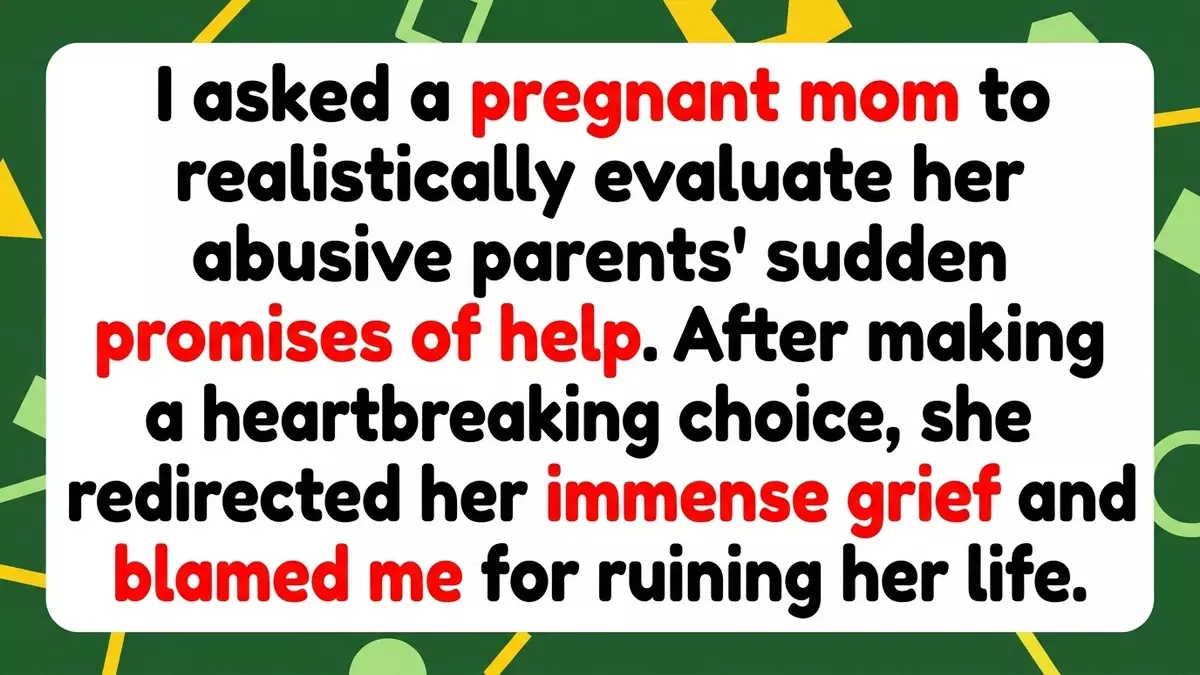
At the same time, commenters emphasized that while her bitter reaction was deeply hurtful to the chaplain, it was a classic defense mechanism of someone dealing with immense, systemic trauma. She was a isolated 20-year-old completely abandoned by her support systems, making her anger a tragic but predictable byproduct of her grief.
| Party | Core Motivation | Actual Impact |
| The Chaplain | Desired to safeguard the mother and her autistic toddler from sudden collapse. | Forced a brutal but necessary evaluation of her long-term safety net. |
| The Estranged Parents | Offered conditional help based entirely on compliance with their wishes. | Created a high-pressure trap built on historically unreliable promises. |
| The Young Mom | Desperately sought a way to regain her family's love and approval. | Made a heartbreaking choice, utilizing projection to cope with the immense grief. |
Conclusion: The Heavy Cost of Truth in Counseling
While the chaplain continues to struggle with his lingering feelings of responsibility, this situation highlights how deeply our words can impact others, even when delivered with the absolute best intentions. When dealing with complex ethical counseling boundaries, the lines between helpful realism and unintended influence are often painfully blurred. Ultimately, the young mother had to make a heartbreaking choice under the weight of immense systemic and familial pressure, leaving a well-meaning helper to carry the emotional echo of her survival.
Frequently Asked Questions
Did the chaplain cross an ethical line by asking such harsh questions?
No. Ethical counseling guidelines state that helpers should assist clients in evaluating the realistic consequences of their options. Asking about financial stability, childcare plans, and the reliability of a support network is a standard, responsible practice, especially when a vulnerable child is already involved.
Why do clients sometimes turn on the people trying to help them?
This occurs due to a psychological defense mechanism called displacement. When a person faces a situation too painful or complex to accept—such as a lack of real support from their own parents—it is safer to project that anger onto a neutral, empathetic professional who will not abandon them for lashing out.
How can a counselor distinguish between guiding a client and making decisions for them?
The distinction lies in the language used. An ethical guide asks open-ended questions that prompt the client to analyze their own reality (e.g., "What is your plan if that support falls through?"). They avoid giving direct directives or telling the client exactly what option they must choose.